




From Classroom to Crisis: How Pakistan’s Education Gap Impacts Your Future
Is Pakistan’s education gap holding you back? Understand why the current education crisis is an economic emergency and how it affects your career prospects.

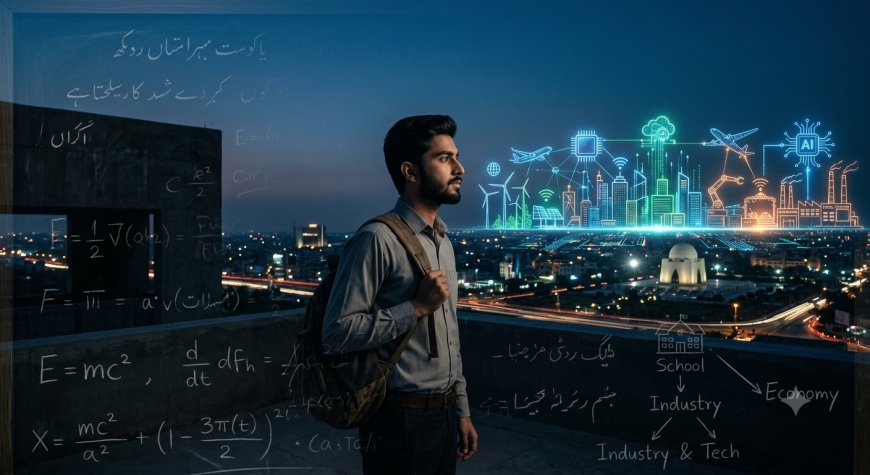
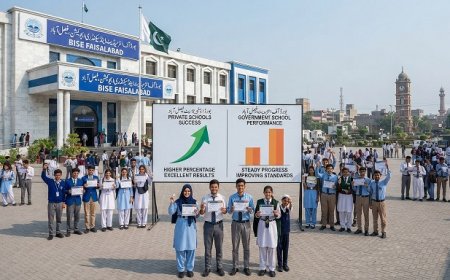
For years, Pakistan’s education challenge was viewed as a "schooling problem"—a matter of getting children into classrooms. However, in 2026, the perspective has shifted. Experts and international reports now frame the situation as an economic emergency.
The crisis is no longer just about enrollment numbers; it is about the skill mismatch between what graduates learn and what the modern economy demands. For students, this means that a degree is no longer a guaranteed passport to employment.
The Key Data Points
-
Human Capital Index: Pakistan currently sits at approximately 0.43, meaning a child born today will only achieve 43% of their potential productivity due to gaps in education and health.
-
Out-of-School Children: With over 26 million children out of school, the foundation for a future workforce is shrinking.
-
The Unemployment Gap: High youth unemployment (over 11%) is largely driven by a system that prioritizes rote memorization over the technical and digital skills required in today's AI-integrated job market.
Why This Matters for Your Career
The "supply-driven" model of education—where universities produce thousands of graduates for jobs that no longer exist or don't require their specific training—is failing.
What you should know as a student:
-
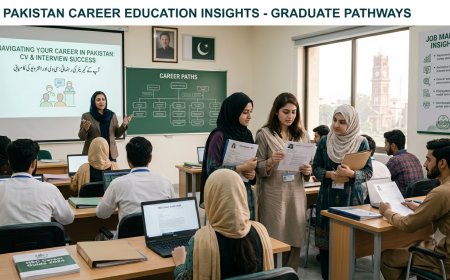
Shift to Skills: Industry leaders now value certifications (like AWS, Google, or Siemens) and portfolio-based work as much as, or more than, traditional degrees.
-
The "Knowledge Corridor" Requirement: To compete, students must supplement their formal education with independent skill-building in technology, data analytics, and digital literacy.
-
Economic Reality: The disconnect between academia and industry means you are responsible for your own "employability index." Relying solely on the university curriculum is a high-risk strategy in 2026.
Myth vs. Fact
Myth: The government's primary goal is to ensure every child gets a university degree.
Fact: Policy focus is shifting toward "learning outcomes" and "employability." The focus is moving from simple enrollment to whether the education actually translates into a livelihood.
E-E-A-T Reinforcement
This analysis synthesizes reports from the World Bank (2026) and discussions from The Friday Times regarding human capital. We prioritize these sources to provide a reality-based outlook on the job market, helping students navigate the systemic gaps in the current Pakistani educational landscape.
FAQ Section
1. Is a university degree still valuable in Pakistan?
Yes, but it is no longer sufficient. Industry leaders are increasingly looking for a combination of academic degrees and specific, industry-recognized digital certifications.
2. What is the "Human Capital Index" and why does it matter?
It measures how much a child can contribute to the economy by age 18. A low score (like Pakistan's 0.43) indicates that the education and health systems are not fully preparing the youth for economic productivity.
3. Why is the education crisis called an "economic emergency"?
Because a country cannot sustain economic growth if its workforce lacks the skills to compete in a global, tech-driven market. It threatens the nation's "demographic dividend."
4. How can I bridge the skill gap while still in university?
Focus on gaining practical certifications, participating in internships, and engaging with professional networks rather than focusing only on examination grades.
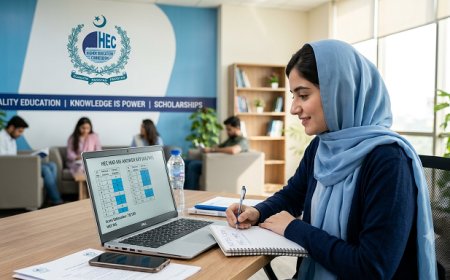
5. What is the role of the HEC in this crisis?
The HEC is currently pivoting its focus from quantity (number of graduates) to quality and employability, emphasizing better linkages between universities and the private sector.
6. Are there government initiatives for skills development?
Yes, several programs under the Ministry of Federal Education and the National Skills University are beginning to prioritize vocational and technical training aligned with industry needs.
Conclusion
Pakistan’s education system is at a turning point. For students, the message is clear: do not wait for the system to change before you adapt. Proactively building a skills-based profile is the most effective way to protect your career from the systemic gaps highlighted in 2026 economic reports.
Last checked: June 2026. Stay updated via official HEC and Ministry of Federal Education notifications.
What's Your Reaction?
 Like
0
Like
0
 Dislike
0
Dislike
0
 Love
0
Love
0
 Funny
0
Funny
0
 Angry
0
Angry
0
 Sad
0
Sad
0
 Wow
0
Wow
0