
















Foreign Universities Opening in Pakistan 2026: Real Opportunity or Marketing Trap? What Every Student Must Ask Before Enrolling
Foreign universities entering Pakistan 2026 under new HEC transnational education policy. HEC expanded eligibility from top 700 to top 1,000 QS rankings. Is your degree recognized or a risk? Get facts.

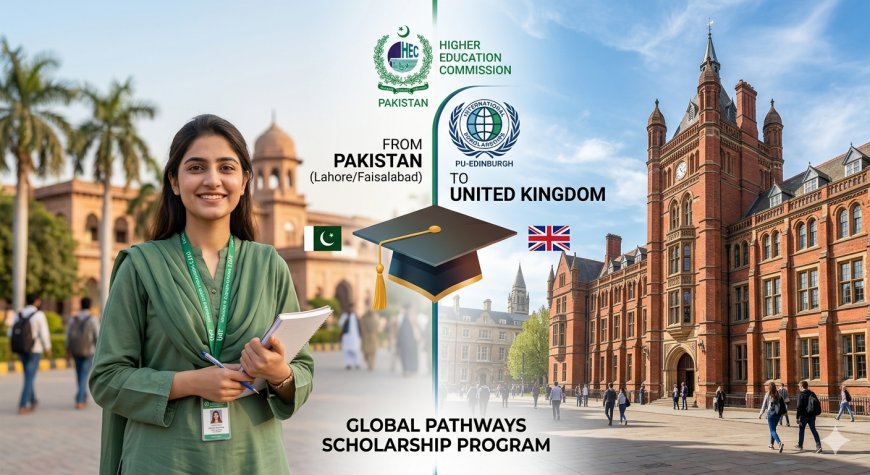
Foreign universities are entering Pakistan under new HEC rules that expanded eligibility from top 700 to top 1,000 QS/Times Higher Education rankings. This policy change, announced in May 2026, allows mid-tier foreign universities to offer degree programs in Pakistan through partnerships with local institutions.
What this means for students:
The key question: Is this a real opportunity for Pakistani students or a marketing trap that creates "educational enclaves" without strengthening local universities?
This guide answers:
-
✅ Which foreign universities can now enter Pakistan?
-
✅ Are these degrees HEC-recognized?
-
✅ What do Pakistani employers think of these degrees?
-
✅ Fee comparisons: local vs foreign-branded programs
-
✅ Red flags to avoid before enrolling
Last checked: June 22, 2026, 3:19 PM PKT
Official Sources: HEC Transnational Education Policy https://www.hec.gov.pk/english/policies/Pages/HEC-Foreign-Collaboration-Policy.aspx, Dawn analysis
What Is the HEC Transnational Education (TNE) Policy?
The Transnational Education Policy (TNE)-2024 is Pakistan's official framework governing how foreign universities partner with Pakistani institutions to offer degrees.
Key definitions from the new policy:
Policy requirements:
-
All collaborative programs need formal HEC approval before launch
-
Must submit Memorandum of Commitment detailing curriculum, assessment, quality assurance
-
HEC conducts ongoing monitoring and quality assurance reviews
Student protection features:
How Did HEC Policy Change in 2026?
The biggest change: HEC expanded eligibility from top 700 to top 1,000 QS or Times Higher Education subject rankings.
Policy comparison:
Who can now enter Pakistan:
-
✅ Universities ranked 701–1,000 in QS/THE
-
✅ Universities in UNESCO's World Higher Education Database
-
✅ Specialist institutions in professional/emerging disciplines (case-by-case)
What this means: Mid-tier foreign universities (previously ineligible) can now offer programs in Pakistan through partnerships.
Which Foreign Universities Are Entering Pakistan?
The Dawn analysis notes that mid-tier foreign universities are entering Pakistan under the revised policy.
Types of universities entering:
Important: The Dawn article does not name specific universities that have entered Pakistan yet. It reports the policy change and warns about risks.
What to check before enrolling:
-
Verify university ranking on QS or THE website
-
Check UNESCO WHED database at whed.net
-
Confirm HEC approval on HEC's foreign collaboration list
-
Ask for Memorandum of Commitment document
Is a Foreign Degree from Pakistan HEC-Recognized?
Not automatically. Only degrees from HEC-approved partnerships are recognized.
HEC recognition requirements:
If HEC finds violations:
Critical warning from HEC (2023): "Several Pakistani institutions offering qualifications in collaboration with foreign universities under TNE Policy are violating HEC policies while granting admission to students. As a result, students are facing problems getting recognition/equivalence of their degrees from HEC".
What Do Pakistani Employers Think of Foreign Branch Degrees?
This is the student anxiety Dawn's article highlights: "What do these degrees mean for Pakistani employers? Are they HEC-recognized?"
Employer recognition factors:
The risk: Dawn warns Pakistan may create "educational enclaves" – foreign-branded programs that don't actually strengthen local university systems.
What employers ask:
-
Is the degree HEC-recognized?
-
What is the foreign university's actual ranking?
-
Who taught the courses (local or foreign faculty)?
-
Is the Pakistani partner institution reputable?
Fee Comparison: Local vs Foreign-Branded Programs
Foreign-branded programs charge significantly higher fees than equivalent local programs.
Typical fee ranges (2026):
Why higher fees?
-
Foreign university partnership fees
-
Brand premium
-
"International" curriculum marketing
-
Imported faculty costs (sometimes)
Student question: Is the foreign brand worth 2–3x higher fees?
Myth vs Fact: Foreign Universities in Pakistan 2026
Red Flags: What to Avoid Before Enrolling
Dawn's analysis warns students about TNE policy violations.
Red flags to avoid:
Before paying fees, verify:
-
✅ Program on HEC's foreign collaboration list
-
✅ University ranking on QS or THE website
-
✅ Memorandum of Commitment available
How to Verify HEC-Approved Foreign Programs
Follow these steps to verify before enrolling:
Step 1: Check HEC's Official List
-
Go to: https://www.hec.gov.pk/english/universities/Pages/Foreign-Collaboration-Institutions.aspx
-
Search for your program/institution
-
Confirm "No Objection Certificate" (NOC) status
Step 2: Verify Foreign University
-
Check UNESCO WHED: https://whed.net/results_institutions.php
-
Check QS ranking: https://wwwTopuniversities.com
-
Check THE ranking: https://www.timeshighereducation.com
Step 3: Request Program Documents
Ask the institution for:
-
✅ HEC approval letter
-
✅ Memorandum of Commitment
-
✅ University ranking certificate
-
✅ Curriculum and faculty details
Step 4: IBCC Verification
Step 5: Contact HEC Directly
-
Phone: HEC Islamabad helpline
-
Email: Check contact on hec.gov.pk
-
Ask: Is this specific program HEC-approved?
Why Is Pakistan Opening Doors to Foreign Universities?
Dawn's analysis notes foreign universities are entering partly due to Pakistan's rising global diplomatic profile.
Diplomatic factors:
-
Pakistan brokered US-Iran negotiations
-
Pakistan strengthened Gulf country relationships
-
Rising international diplomatic standing
HEC's stated goals:
The concern: Dawn warns this may create "educational enclaves" rather than genuinely strengthening Pakistan's local university system.
What Are "Educational Enclaves"?
Dawn's key warning: Pakistan risks creating "educational enclaves".
What this means:
-
Foreign-branded programs operating isolated from local system
-
High fees excluding average Pakistani students
-
No knowledge transfer to local universities
-
Degrees valued only for "foreign brand," not quality
-
No improvement in Pakistan's overall education standards
Contrast with genuine benefit:
-
✅ Educational enclaves: Foreign brand only, no local improvement
-
✅ Genuine partnership: Curriculum sharing, faculty training, research collaboration
Student impact: You pay Rs. 1.6M–3.2M for a program that may not strengthen Pakistan's education system.
FAQ Section
1. Are foreign universities opening in Pakistan 2026?
Yes, under new HEC Transnational Education Policy (TNE) 2026, foreign universities ranked in top 1,000 QS/THE can partner with Pakistani institutions to offer degrees.
2. What is HEC transnational education policy Pakistan 2026?
The TNE policy governs how foreign universities partner with Pakistani institutions. In May 2026, eligibility expanded from top 700 to top 1,000 QS/THE rankings.
3. Which foreign universities are opening in Pakistan?
The Dawn article reports mid-tier foreign universities are entering but does not name specific universities. Verify any program on HEC's official foreign collaboration list.
4. Is a foreign degree from Pakistan HEC-recognized?
Only if the program has formal HEC approval. Without approval, HEC will NOT recognize the degree and will withdraw NOC immediately.
5. What QS ranking do foreign universities need to enter Pakistan?
Foreign universities must be ranked within top 1,000 in QS or Times Higher Education subject rankings (expanded from top 700 in 2026).
6. Can any Pakistani college partner with foreign universities?
No. Only HEC-approved institutions can partner with foreign universities under TNE policy.
7. What is the difference between dual, double, and joint degrees?
-
Dual: Two qualifications in related/different subjects
-
Double: Two qualifications in same subject
-
Joint: One qualification awarded jointly by both institutions
8. Why are foreign-branded programs in Pakistan so expensive?
Higher fees due to foreign partnership costs, brand premium, and "international" curriculum marketing. Fees are typically 2–3x higher than local programs.
9. What if a foreign program in Pakistan is not HEC-approved?
HEC will not recognize the degree, and students face problems getting equivalence for jobs or further education.
10. How do I verify if a foreign program is HEC-approved?
Check HEC's foreign collaboration list at hec.gov.pk/english/universities/Pages/Foreign-Collaboration-Institutions.aspx.
Conclusion
Foreign universities are entering Pakistan under new HEC rules expanded from top 700 to top 1,000 QS/THE rankings. This creates more options for Pakistani students but also more confusion about degree recognition and employer value.
The dilemma: Is this a real opportunity or a marketing trap creating "educational enclaves"?
What you must do before enrolling:
-
✅ Check university ranking – Confirm QS/THE top 1,000 status
-
✅ Verify UNESCO WHED listing – Foreign university must be recognized
-
✅ Request Memorandum of Commitment – Program must have HEC quality assurance
-
✅ Compare fees – Foreign-branded programs cost 2–3x more than local
-
✅ Ask about faculty – Local or foreign? Who actually teaches?
-
✅ Confirm employer recognition – Will Pakistani employers value this degree?
Red flags to avoid:
-
❌ No HEC approval listed
-
❌ University ranking not disclosed
-
❌ Fee too high without quality guarantee
-
❌ No grievance procedure
Bottom line: Foreign-branded degrees can be valuable if HEC-approved and from genuinely ranked universities. But many programs are marketing traps – pay high fees for foreign brand without real quality.
Stay updated: Follow IlmiWorld for HEC policy updates, approved foreign program lists, and student protection guidelines.
What's Your Reaction?
 Like
0
Like
0
 Dislike
0
Dislike
0
 Love
0
Love
0
 Funny
0
Funny
0
 Angry
0
Angry
0
 Sad
0
Sad
0
 Wow
0
Wow
0