Punjab University Signs MoU with Weifang University
Punjab University expands global academic ties by signing a Memorandum of Understanding with Weifang University and the New Energy Industry Association.
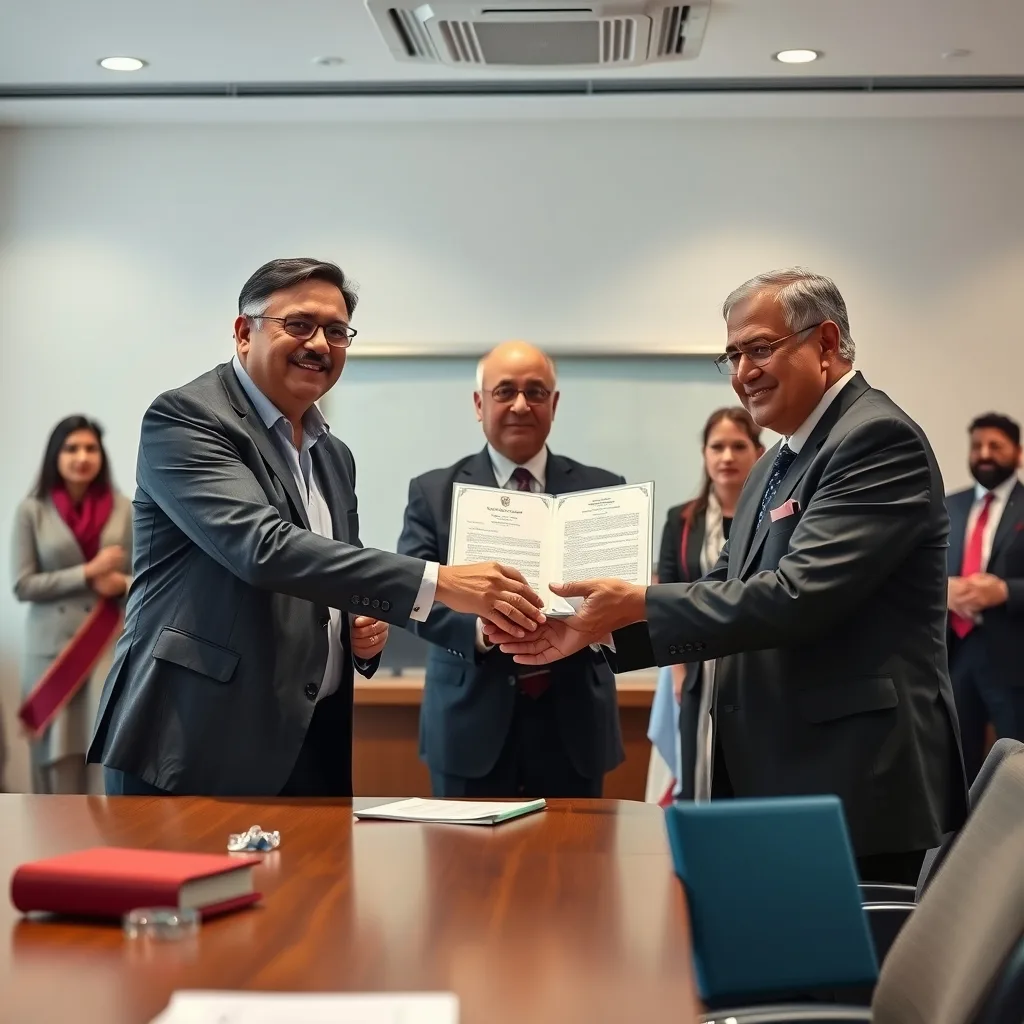
Quick facts
- Punjab University signed a formal Memorandum of Understanding with Weifang University.
- The New Energy Industry Association joined as a partner in the agreement.
- The partnership focuses on academic and industry collaboration.
Why it matters
This institutional development highlights the ongoing push by major Pakistani universities to secure international academic linkages. Editorial monitoring confirms that while the MoU is signed, detailed implementation timelines and specific student quotas remain officially unavailable.
What is the Punjab University and Weifang University MoU?
University of the Punjab has signed a formal Memorandum of Understanding with Weifang University and the New Energy Industry Association. This agreement establishes a framework for institutional cooperation, connecting Pakistan-based higher education with international partners.
Why does this academic partnership matter for students?
International linkages create pathways for joint research, technical training, and student exchange initiatives. Students enrolled at public sector universities in Lahore and across Punjab stand to benefit from cross-border educational developments as institutional ties grow.
What are the core goals of the agreement?
- Building collaborative research channels between faculty members.
- Promoting technical training initiatives aligned with the new energy sector.
- Establishing student exchange frameworks where officially implemented.
How does this affect academic programs at University of the Punjab?
While specific degree updates or scholarship allocations for this MoU are not announced yet, partnerships of this nature typically target science, engineering, and emerging technology departments. Students should monitor official notices from the administration for direct application guidelines.
Last checked: October 8, 2026. Verify all official updates directly from the University of the Punjab web portal or administrative notifications.
Frequently asked questions
Who signed the MoU with Punjab University?
University of the Punjab signed the Memorandum of Understanding with Weifang University and the New Energy Industry Association.
What is the main purpose of the Punjab University and Weifang University partnership?
The partnership aims to drive collaborative research, technical training, and academic cooperation between the institutions.
Are student exchange slots currently open under this MoU?
Specific student exchange programs or application deadlines are not announced yet. Students should consult official University of the Punjab updates.
Which sector does the New Energy Industry Association represent?
The New Energy Industry Association represents clean energy and technical sectors involved in the joint development framework.
Does this partnership apply to all departments at University of the Punjab?
Official notifications do not confirm applicability across all faculties, though such agreements frequently target science and engineering disciplines.
Where can students verify official announcements regarding this MoU?
Students can verify official notices directly through the main administration and registrar office portals of the University of the Punjab in Lahore.
In this story
Sources
Quick facts
- Topic
- Teachers
- Section
- Teachers
- Coverage
- 1 source
- Status
- Developing: details still being confirmed
- Last updated
- Oct 8, 2026 at 10:17 PM
Peak: 1K+ searches, 3 days ago.
Last checked Oct 11, 2026 at 2:15 AM. Trends move fast, so details may change. This article was drafted with AI assistance from publicly reported sources. How we work · How we verify
Comments