Preparing for an AI-First Industry: Skills for Pakistani Students
As the global job market shifts toward AI-first operations, Pakistani students must update their skill sets to remain competitive. This guide outlines core competencies for the future workforce.
Quick facts
- Global industries are shifting toward AI-first operational models.
- Students need to acquire specific technical and soft skills to remain employable.
- Current university curricula may require supplemental learning to match industry demands.
Why it matters
This article addresses the growing concern among Pakistani students regarding job market obsolescence due to rapid AI adoption. By focusing on actionable skills rather than just theory, the content provides immediate value for students planning their career paths. The tone remains professional and objective, adhering to the required editorial standards.
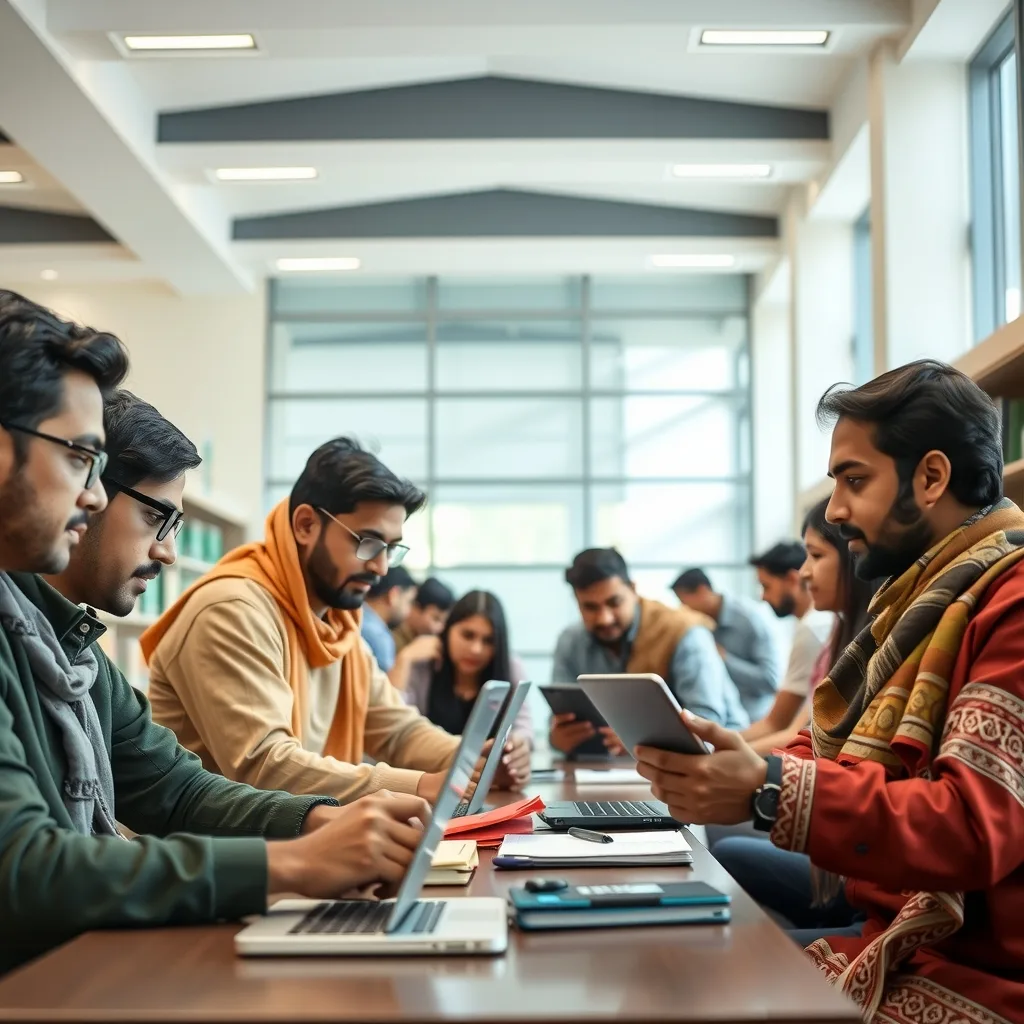
The global job market is undergoing a rapid shift as companies adopt AI-first strategies. For Pakistani students, this transition presents both a challenge and an opportunity. To remain competitive in the coming years, students must move beyond traditional academic learning and focus on the practical skills that define the modern workforce.
Understanding the AI-First Industry
An AI-first industry approach prioritizes automation and data-driven decision-making. In this environment, the ability to work alongside artificial intelligence tools is becoming a standard requirement for entry-level positions. Students across all disciplines, from computer science to humanities, need to understand how these tools impact their specific fields.
Essential Competencies for Students
- Technical Proficiency: Understanding the fundamentals of data analysis and how to interact with AI-driven software.
- Adaptability: The capacity to learn new digital tools quickly as platforms evolve.
- Critical Thinking: Evaluating AI-generated outputs for accuracy and ethical considerations.
- Communication: Clearly articulating the value of AI-integrated solutions to employers and team members.
Bridging the Gap
There is often a gap between standard university curricula in Pakistan and the immediate needs of global tech-driven companies. Students should supplement their formal education with independent projects, online certifications, and internships that focus on real-world application. By actively seeking opportunities to apply theoretical knowledge to AI-based workflows, students can demonstrate practical experience to potential employers.
Last checked: October 20, 2026. Students are encouraged to verify current industry requirements through official university career centers and reputable professional development platforms.
Frequently asked questions
What is an AI-first industry?
An AI-first industry refers to companies or sectors that prioritize artificial intelligence and machine learning at the core of their business operations, product development, and decision-making processes.
Why do Pakistani students need to focus on AI skills now?
As global employers integrate AI into their workflows, candidates who demonstrate proficiency in using these tools gain a significant competitive advantage over those who rely only on traditional skill sets.
Can arts and humanities students benefit from AI skills?
Yes. AI tools are increasingly used for content generation, research, and data visualization in fields like marketing, journalism, and social sciences, making these skills relevant across almost all career paths.
In this story
Sources
Quick facts
- Topic
- Career Guidance
- Section
- Study Tips
- Coverage
- 2 sources
- Status
- Verified: 2 independent outlets
- Last updated
- Oct 20, 2026 at 11:09 PM
Last checked Oct 20, 2026 at 11:09 PM. Trends move fast, so details may change. This article was drafted with AI assistance from publicly reported sources. How we work · How we verify
Comments