Fixing the University Model in the Age of AI Through Tradition
Discover how traditional learning methods can fix modern higher education challenges in Pakistan during the AI era.
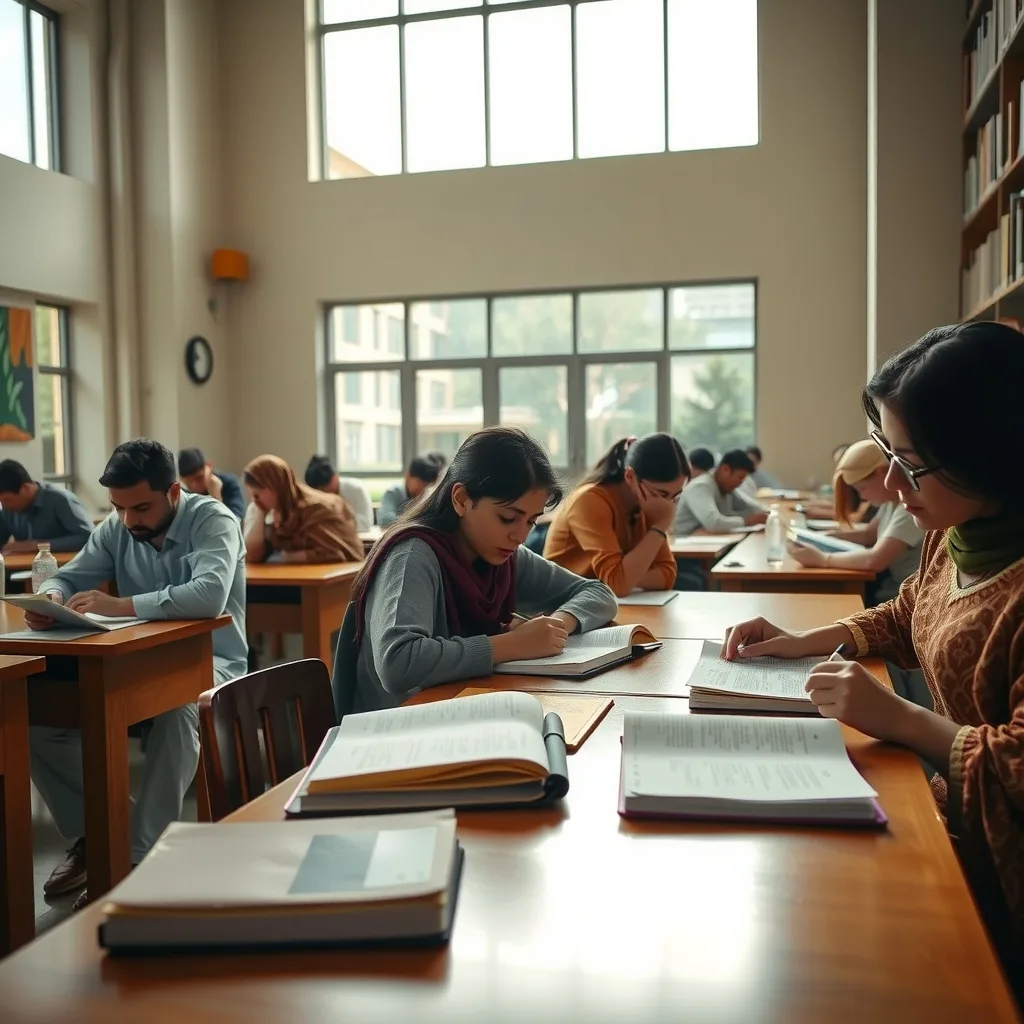
Quick facts
- Higher education institutions face structural shifts with the rise of artificial intelligence.
- Traditional educational foundations offer structural stability for modern students.
- Pakistani students must balance modern AI tools with fundamental study habits.
Why it matters
This analysis provides editorial perspective on how Pakistani students can maintain academic integrity and critical thinking skills by blending historical educational rigor with modern technological tools.
How Traditional Learning Shapes the Modern University Model in the Age of AI
Higher education in Pakistan faces rapid changes as artificial intelligence reshapes classrooms, assignments, and exams. Many students rely heavily on automated tools for essays and problem-solving, which often weakens core critical thinking skills. To fix this broken university model in the age of AI, educational experts suggest returning to traditional learning principles.
What Traditional Methods Offer Today
Traditional academic models rely on deep reading, physical note-taking, Socratic questioning, and rigorous peer discussions. These foundational practices build long-term memory and independent problem-solving skills that automated tools cannot replace. When university students balance modern technology with disciplined, traditional study habits, their academic performance improves significantly.
How Pakistani Students Can Balance AI and Tradition
Students across institutions supervised by the Higher Education Commission (HEC) can adopt practical steps to integrate traditional focus into their daily routines:
- Limit Automated Shortcuts: Write initial drafts manually before consulting any digital AI assistant.
- Prioritize Deep Reading: Read physical textbooks or printed research papers to improve concentration spans.
- Engage in Group Discussions: Form study circles with peers from universities like Punjab University, NUST, or UET to debate core concepts face-to-face.
Last checked: October 8, 2026. Verify all academic guidelines and study recommendations directly from official university portals and HEC Pakistan notifications.
Frequently asked questions
How does AI affect the traditional university model in Pakistan?
Artificial intelligence changes how students complete assignments and study for exams. While tools offer quick answers, they often reduce independent critical thinking and deep comprehension among undergraduate and intermediate students.
Why should students look to tradition for studying?
Traditional study methods such as handwritten notes, direct textbook reading, and physical seminars build stronger memory retention, focused attention, and authentic problem-solving skills compared to over-reliance on digital shortcuts.
Can Pakistani students completely avoid AI in higher education?
No, avoiding AI entirely is impractical as modern industries and universities integrate digital tools. The goal is balance, using AI for efficiency while keeping foundational learning traditional.
What role does HEC play in modern student study habits?
The Higher Education Commission (HEC) sets curriculum frameworks across Pakistan, guiding universities on how to incorporate new technologies while maintaining strict academic standards.
Are physical books better than digital screens for studying?
Research and expert editorial consensus indicate that physical books improve reading comprehension and reduce cognitive fatigue compared to reading lengthy texts on screens.
How can students improve concentration during exam preparation?
Students can improve concentration by eliminating phone notifications, studying in quiet designated library spaces, and following structured revision schedules without digital distractions.
In this story
Sources
Quick facts
- Topic
- Study Tips
- Section
- Study Tips
- Coverage
- 1 source
- Status
- Developing: details still being confirmed
- Last updated
- Oct 8, 2026 at 10:17 PM
Peak: 1K+ searches, 3 days ago.
Last checked Oct 10, 2026 at 11:30 PM. Trends move fast, so details may change. This article was drafted with AI assistance from publicly reported sources. How we work · How we verify
Comments