AI in Physical Therapy Education: How Universities Teach Students
Discover how professors at Touro University Nevada use artificial intelligence to train future physical therapy students effectively.
Quick facts
- Touro University Nevada professors incorporate artificial intelligence into physical therapy training.
- The method targets future physical therapists to improve clinical reasoning and practical skills.
- AI integration represents a modern shift in health sciences curricula.
Why it matters
The integration of artificial intelligence into health sciences education highlights a global shift in instructional design. While traditional didactic teaching remains foundational, interactive simulation helps bridge the gap between classroom theory and clinical practice for physical therapy students.
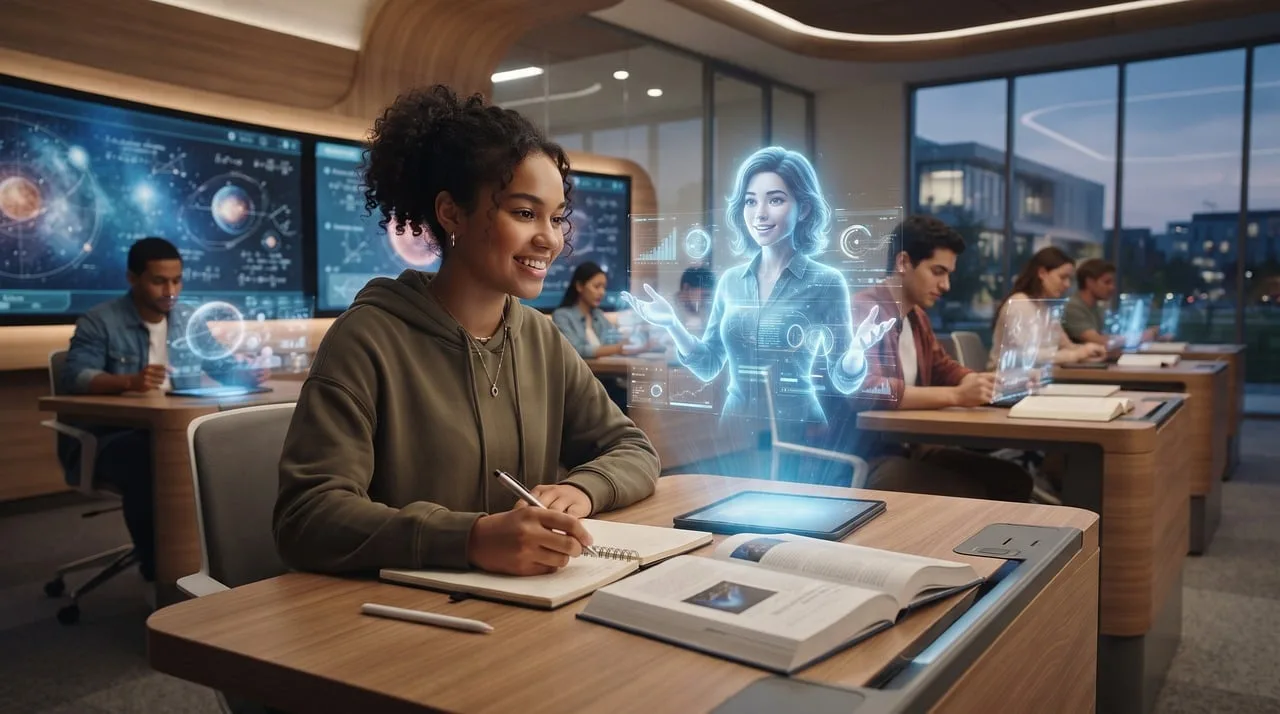
Artificial intelligence is changing how medical and physical therapy students learn complex clinical concepts. At Touro University Nevada, professors are integrating AI tools into the classroom to prepare future physical therapists for modern clinical environments.
This approach helps students interact with realistic scenarios before treating actual patients. By bridging theoretical classroom knowledge with interactive technology, universities aim to improve decision-making and practical skills among health science aspirants.
Why Is AI Being Used in Physical Therapy Training?
AI in physical therapy education provides students with safe spaces to practice diagnostic reasoning. Traditional textbooks offer static case studies, whereas interactive AI systems can simulate patient reactions, movement challenges, and varied medical histories.
Students across Pakistan and worldwide can observe these global shifts in medical education. As digital tools expand in universities, understanding how to interact with AI-driven learning modules becomes an essential skill for modern healthcare aspirants.
How Can Students Adapt to AI-Driven Learning?
Students pursuing medical, physical therapy, or allied health fields should actively explore digital simulation tools available online. Universities in Pakistan and abroad are slowly adopting technology-assisted learning to match international standards set by institutions like Touro University Nevada.
- Explore interactive clinical simulation software.
- Use AI platforms to test diagnostic scenarios and case studies.
- Stay updated on how medical boards incorporate digital learning into exams.
Last checked: October 7, 2026. Verify curriculum updates and technology integration guidelines directly through your respective university or institutional portal.
Frequently asked questions
How is AI used in physical therapy education?
Professors use artificial intelligence to simulate patient cases, test diagnostic reasoning, and help physical therapy students practice clinical decision-making in a controlled digital environment.
Which university implemented AI in physical therapy teaching?
Professors at Touro University Nevada have integrated artificial intelligence to teach future physical therapists according to recent educational reports.
Can Pakistani students use AI for medical and physical therapy studies?
Yes, Pakistani students in physical therapy and medical fields can use general AI tools and interactive case simulation software to supplement their clinical study routines.
Does AI replace hands-on clinical training for physical therapists?
No, AI serves as a supplementary educational tool designed to improve critical thinking and diagnostic preparation before students engage in supervised clinical practice with real patients.
Where can students find more updates on educational technology?
Students can track official university notices, HEC announcements, and educational platforms like ilmiworld.com for ongoing updates regarding study tips and curriculum trends.
In this story
Sources
Quick facts
- Topic
- Study Tips
- Section
- Study Tips
- Coverage
- 1 source
- Status
- Developing: details still being confirmed
- Last updated
- Oct 8, 2026 at 7:22 AM
Peak: 1K+ searches, 4 days ago.
Last checked Oct 10, 2026 at 2:45 AM. Trends move fast, so details may change. This article was drafted with AI assistance from publicly reported sources. How we work · How we verify
Comments