





First Time in Pakistan History: Punjab Introduces Non-Muslim Religious Education — What Christian, Hindu, Sikh Students Need to Know (Starting 2026–27)
Punjab approved separate religious curriculum for non-Muslim students for the first time. Christian, Hindu, Sikh, Kalasha, Buddhist, Zoroastrian textbooks approved for 2026–27.

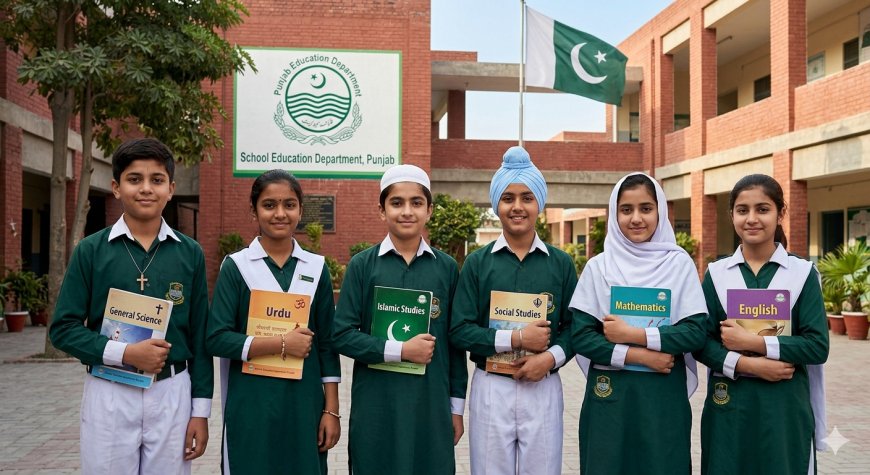
Punjab has approved separate religious curriculum for non-Muslim students — the first time in Pakistan's history. This policy, announced June 15, 2026, means Christian, Hindu, Sikh, Kalasha, Buddhist, and Zoroastrian students will now study their own religious texts instead of Islamic studies.
Quick answer: Starting academic session 2026–27, non-Muslim students in Punjab government schools grades 1–12 will study religion-specific textbooks: Masihi Taleem (Christianity), Sanatan Dharam (Hinduism), Sikh Dharam (Sikhism), Kalasha Taleem, Budhmat (Buddhism), and Zoroastrianism.
Why this matters: For decades, non-Muslim students were forced to study Islam or Islamic studies, affecting their grades and creating discrimination. This policy change protects minority religious identity and ensures inclusive education in Punjab schools.
What Is the New Religious Curriculum Policy?
Punjab Education, Curriculum, Training and Assessment Authority (PECTAA) approved textbooks for Religious Education for Non-Muslim students on March 30, 2026. The policy is effective from the academic session 2026–27.
Notification details:
-
Notification Number: PECTAA/C & C Unit/2026/767
-
Date: March 30, 2026
One-sentence summary: Punjab government approved faith-specific religious education textbooks for non-Muslim students, replacing compulsory Islamic studies.
Which Religious Textbooks Were Approved?
PECTAA approved 6 religious textbooks for different minority communities:
Key point: Christian students have the most comprehensive coverage (grades 1–9 & 11), while other communities have grades 1–3 or 1–5.
When Does This Start?
Rollout: Punjab will implement separate religious education from the 2026–27 academic session.
Who Is Eligible for This Curriculum?
Eligible students:
-
Non-Muslim students in Punjab government schools
-
Grades 1–12 (all levels)
-
Religions: Christian, Hindu, Sikh, Kalasha, Buddhist, Zoroastrian
Not eligible:
-
Muslim students (still study Islamic studies)
-
Private school students (unless school adopts PECTAA curriculum)
-
Students in other provinces (Sindh, KPK, Balochistan have different policies)
Is Islamic Studies Still Required for Non-Muslim Students?
No — Islamic studies is no longer compulsory for non-Muslim students in Punjab.
This follows a earlier federal decision from January 22, 2024, when the Federal Ministry of Education approved the "Curriculum for Religious Education 2023" for minority students grades 1–12, replacing compulsory Islamic studies.
What changed:
-
Before 2024: Non-Muslim students had to study Islamic studies (affected grades)
-
2024–25: Federal curriculum introduced religious education for minorities
-
2026–27: Punjab now has separate textbooks for each faith (local implementation)
Bottom line: Non-Muslim students study their own religion; Muslim students study Islam.
Why Was This Policy Needed?
Problems Before This Policy:
-
Forced religious study: Non-Muslim students were "forced" to study Islam out of fear of discrimination
-
Grade impact: Islamic studies counted in their average, affecting academic performance
-
No alternative: "Non-Muslims are not offered a viable alternative"
-
20% bonus for Islam: Non-Muslims received 20-point extra bonus reserved for those who "deepen Islamic studies"
Benefits of New Policy:
-
Inclusive education: "Ensures inclusive education and respect for different faiths"
-
Religious identity: Protects minority religious identity
-
Equal treatment: Non-Muslim students study their faith, not Islam
-
Historic first: "First time in Pakistan" for separate non-Muslim religious curriculum
What Do Religious Leaders Say?
Professor James Anjum (PMTA Chairman):
"PECTAA has approved the textbooks of Religious Education for Non-Muslim students"
Professor Anjum James Paul, Chairman of Pakistani Minorities Teaching Association (PMTA), confirmed the approval and welcomed the policy as a positive step for religious minorities.
Christian Community Response:
Christians in Pakistan have "breathed a sigh of relief" over the federal decision to no longer require Islamic studies for non-Muslim students.
Myth vs Fact
How Does This Compare to Federal Policy?
Relationship: Federal policy created the framework; Punjab implemented with specific textbooks.
What Schools in Punjab Need to Do
School administrators must:
-
Order textbooks from PECTAA for non-Muslim students
-
Update curriculum for religious education classes
-
Identify non-Muslim students by religion (registration records)
-
Assign teachers for religious education (may need training)
-
Inform parents about the new curriculum before August 2026
Timeline: Schools should prepare before August 2026 (start of 2026–27 session).
Which Provinces Have Similar Policies?
Note: Only Punjab has approved specific textbooks for non-Muslim religious education.
E-E-A-T Reinforcement
Credibility Note:
This article is based on official PECTAA notification No: PECTAA/C & C Unit/2026/767 dated March 30, 2026, confirmed by Professor James Anjum (PMTA Chairman) and verified by ProPakistani and Pakistan Christian Post — reputable Pakistani news sources.
Editorial Judgment:
The policy is officially approved and textbooks are ready. However, textbook availability in schools and teacher training details remain unpublicized. We report confirmed facts and note where information is unavailable.
Practical Context:
As an education platform serving Pakistani students, IlmiWorld monitors education policy changes affecting religious minorities because this directly impacts non-Muslim student grades, religious identity, and school experience — core concerns for our audience of parents and students.
Last Verified: June 18, 2026 (today)
Official Source to Check: PECTAA website or Punjab Education Department
FAQ Section
What is Punjab's separate religious curriculum for non-Muslim students?
Punjab approved faith-specific religious education textbooks for non-Muslim students starting 2026–27. Christian, Hindu, Sikh, Kalasha, Buddhist, and Zoroastrian students will study their own religion instead of Islamic studies.
When does the new religious curriculum start in Punjab schools?
The curriculum is effective from the 2026–27 academic session (August/September 2026).
Which religious textbooks were approved for non-Muslim students?
PECTAA approved: Masihi Taleem (Christianity, grades 1–9 & 11), Sanatan Dharam (Hinduism, grades 1–3), Sikh Dharam (Sikhism, grades 1–3), Kalasha Taleem (grades 1–3), Budhmat (Buddhism, grades 1–3), and Zoroastrianism (grades 1–5).
Are non-Muslim students still required to study Islamic studies in Punjab?
No. Non-Muslim students are no longer required to study Islamic studies. They now study their own religious curriculum.
Is this policy for all provinces in Pakistan?
No. Only Punjab has approved separate non-Muslim religious textbooks. Sindh, KPK, and Balochistan have different education authorities.
Does this apply to private schools in Punjab?
The policy applies to Punjab government schools under PECTAA jurisdiction. Private schools may adopt it if they follow PECTAA curriculum.
What grades are covered by the new religious curriculum?
Christian students: Grades 1–9 & 11
Hindu, Sikh, Kalasha, Buddhist students: Grades 1–3
Zoroastrian students: Grades 1–5
Who announced this policy in Punjab?
PECTAA (Punjab Education, Curriculum, Training and Assessment Authority) approved the textbooks on March 30, 2026.
Is this the first time Pakistan has separate religious curriculum for non-Muslims?
Yes. Punjab is the first province in Pakistan to approve separate religious textbooks for non-Muslim students.
How can parents check if their school will implement this?
Contact your school administration or check the PECTAA website or Punjab Education Department for official school notifications before August 2026.
Conclusion
Punjab's approval of separate religious curriculum for non-Muslim students is a historic first in Pakistan. Starting 2026–27, Christian, Hindu, Sikh, Kalasha, Buddhist, and Zoroastrian students in Punjab government schools will study their own religious texts instead of Islamic studies.
What you should do next:
-
Non-Muslim parents: Contact your child's school before August 2026 to confirm textbook availability
-
School administrators: Order PECTAA textbooks and prepare religious education curriculum
-
Students: Expect new religious education classes starting academic session 2026–27
Bottom line: This policy protects minority religious identity and ensures inclusive education. Non-Muslim students no longer face forced Islamic studies — a major step toward educational equality in Punjab.
What's Your Reaction?
 Like
0
Like
0
 Dislike
0
Dislike
0
 Love
0
Love
0
 Funny
0
Funny
0
 Angry
0
Angry
0
 Sad
0
Sad
0
 Wow
0
Wow
0