EDCON26 at LUMS: Mapping the Future of Pakistan Education Policy
The EDCON26 summit at LUMS gathered experts to define future education reforms in Pakistan. Learn how these policy discussions impact academic standards and the job market.
Quick facts
- The DARE-RC International Education Summit 2026 (EDCON26) took place at LUMS on October 31 and November 1, 2026.
- The event examined findings from 44 research studies and scoping papers.
- Key focus areas included AI in education, teaching workforce, inclusion, climate resilience, and language policy.
Why it matters
This article provides a factual summary of the EDCON26 summit held at LUMS. It connects high-level policy discussions to the practical interests of students, such as curriculum relevance and industry preparedness, ensuring the content is both informative and actionable.
Overview of EDCON26 at LUMS
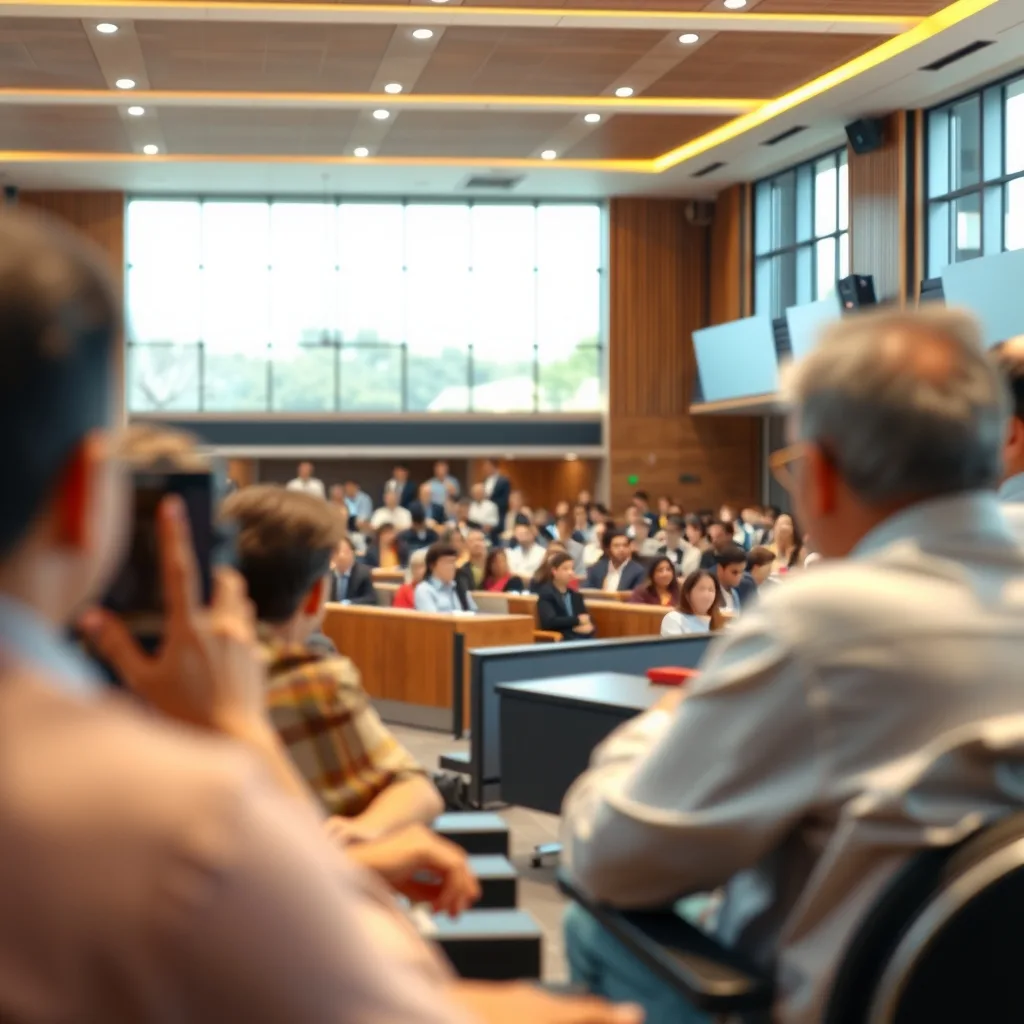
The DARE-RC International Education Summit 2026, widely known as EDCON26, recently concluded at the Lahore University of Management Sciences (LUMS). The two-day event held on October 31 and November 1 served as a platform for policymakers, researchers, and education leaders to establish evidence-based reforms for the Pakistani education sector.
Core Priorities for Education Reform
Under the theme 'From Evidence to Action,' the summit analyzed 44 research studies produced through the Data and Research in Education Research Consortium (DARE-RC). Discussions were centered on transforming research data into practical policies to improve outcomes across the country.
The agenda covered several critical areas directly affecting the future of students and the academic workforce in Pakistan:
- Data and Artificial Intelligence: Integrating modern tools into the classroom.
- Teaching Workforce: Improving standards and training for educators.
- Inclusion and Equity: Ensuring fair access to quality education.
- Climate Resilience: Addressing environmental challenges in school infrastructure.
- Governance and Accountability: Strengthening the management of education institutions.
- Language Policy: Evaluating the impact of medium of instruction on learning.
Impact on Students and Graduates
The summit emphasized the need for stronger links between academic research and government policy. For students currently enrolled in universities, these shifts signal a potential move toward curriculum updates that prioritize industry relevance and data literacy. The sessions on the second day focused on implementation, indicating a push to move beyond theoretical research toward tangible changes in the classroom and the job market for 2026-2027 graduates.
Expert Contributions
The event featured prominent voices, including Federal Secretary of Education Nadeem Mahbub, LUMS Vice Chancellor Dr. Ali Cheema, and former LUMS vice chancellor Dr. Adil Najam. Their involvement highlights the high-level commitment to aligning Pakistan's academic standards with global requirements.
Last checked: November 4, 2026. Please verify specific policy implementation timelines through official government and university notifications.
Conclusion
EDCON26 has set a clear agenda for the future of education in Pakistan. Students should monitor upcoming policy announcements from the Ministry of Education as these research-backed priorities begin to influence university curricula and national academic standards.
Frequently asked questions
What was the main purpose of EDCON26?
The main purpose of EDCON26 was to identify priorities for evidence-based education reform in Pakistan by translating research findings into practical government policies.
Where was the EDCON26 conference held?
The summit was held at the Lahore University of Management Sciences (LUMS) in Lahore, Pakistan.
What themes were discussed at EDCON26?
Key themes included artificial intelligence in education, teaching workforce improvements, inclusion and equity, climate resilience, governance, and language policy.
In this story
Sources
Report a mistake
We fix confirmed errors and label them as a Correction. How we verify
Quick facts
- Topic
- International Interaction
- Section
- International Interaction
- Coverage
- 2 sources
- Status
- Verified: 2 independent outlets
- Last updated
- Nov 4, 2026 at 10:25 AM
Last checked Nov 4, 2026 at 10:25 AM. Trends move fast, so details may change. How we work · How we verify
Comments