Pakistan Education Crisis: 25 Million Children Out of School
A report from the Civil Services Academy confirms over 25 million children are out of school in Pakistan, highlighting a severe national education emergency.
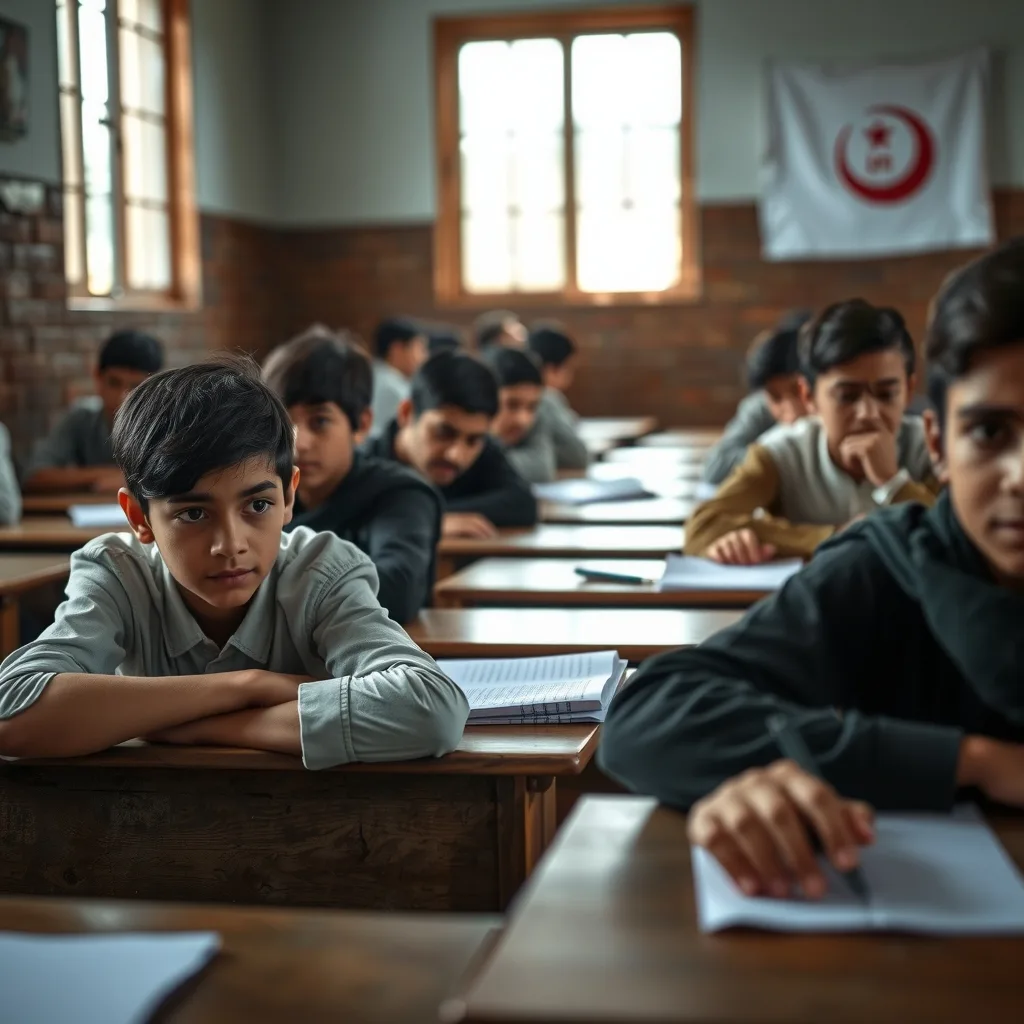
Quick facts
- The Civil Services Academy (CSA) report estimates 25.1 to 26 million children are currently out of school in Pakistan.
- Education spending in Pakistan has fallen below 1% of GDP, significantly lower than the UN-recommended 4% benchmark.
- Provincial budgets in Sindh and Balochistan allocate 81% to 90% of funds to salaries, limiting development spending.
- Experts identify weak governance and administrative fragmentation as primary drivers of the education crisis.
Why it matters
This article addresses the informational intent regarding the ongoing education crisis in Pakistan. It relies on the most recent CSA report data to provide an objective overview of the situation, avoiding speculative language while highlighting the fiscal and governance challenges identified by experts.
A recent report from the Civil Services Academy (CSA) has brought the scale of Pakistan's education crisis into sharp focus. Despite the declaration of a National Education Emergency two years ago, approximately 25.1 to 26 million children remain out of school across the country.
What is driving the education crisis?
The CSA report highlights that the issue is no longer just about policy formulation. Instead, it points to systemic failures in execution. Key factors include:
- Weak Governance: Administrative fragmentation prevents effective delivery of educational services.
- Inadequate Financing: Public investment in education has dropped below 1% of GDP, which is far behind the 4% benchmark suggested by the UN.
- Budget Misallocation: In provinces like Sindh and Balochistan, 81% to 90% of the education budget is consumed by salaries, leaving almost no room for development or infrastructure improvements.
Expert perspective
Dr. Faisal Bari, an education economist at the Lahore University of Management Sciences, notes that the current economic emergency is deeply linked to these educational gaps. The focus often shifts to macroeconomic indicators like fiscal deficits, while the human development aspect of education receives less attention.
Last checked: November 7, 2026. Please verify these statistics through official government education department portals or the HEC website for the most recent provincial data.
Conclusion
The education crisis in Pakistan is a complex challenge requiring more than just policy declarations. Addressing the gap requires structural reforms in governance and a significant increase in development-focused education spending.
Frequently asked questions
How many children are out of school in Pakistan?
According to the latest report by the Civil Services Academy (CSA), there are approximately 25.1 to 26 million children out of school in Pakistan.
What is the primary cause of the education crisis in Pakistan?
Experts and reports indicate the crisis is caused by a combination of weak governance, administrative fragmentation, and inadequate financing, where a large portion of the budget is spent on salaries rather than development.
What percentage of GDP does Pakistan spend on education?
Education spending in Pakistan has dropped below 1% of the total GDP, which is significantly lower than the 4% benchmark recommended by the United Nations.
In this story
Sources
- wionews: Pakistan's education crisis: 25 million children out of school, reveals CSA report
- Business Recorder: Human development emergency: Pakistan’s greatest challenge
- Geo News: 'Education apartheid': Schooling in crisis in Pakistan
- The News International: Tackling Pakistan’s education crisis
- Devdiscourse: Beyond Empty Classrooms: Afghanistan’s Education Crisis Puts Its Economic Future on the Line
- Chitral News: Pakistan Needs an Austerity Emergency
Topic hubs: HEC
Report a mistake
We fix confirmed errors and label them as a Correction. How we verify
Quick facts
- Topic
- Education News
- Section
- Education News
- Status
- Verified: 6 independent outlets
- Last updated
- Nov 7, 2026 at 2:45 PM
Last checked Nov 7, 2026 at 3:45 PM. Trends move fast, so details may change. How we work · How we verify
Comments