HEC Public Alert: Associate Degree Admissions Not Recognized
The Higher Education Commission (HEC) warns students that two-year BA/BSc and MA/MSc programs are phased out. Degrees from these programs will not be recognized.
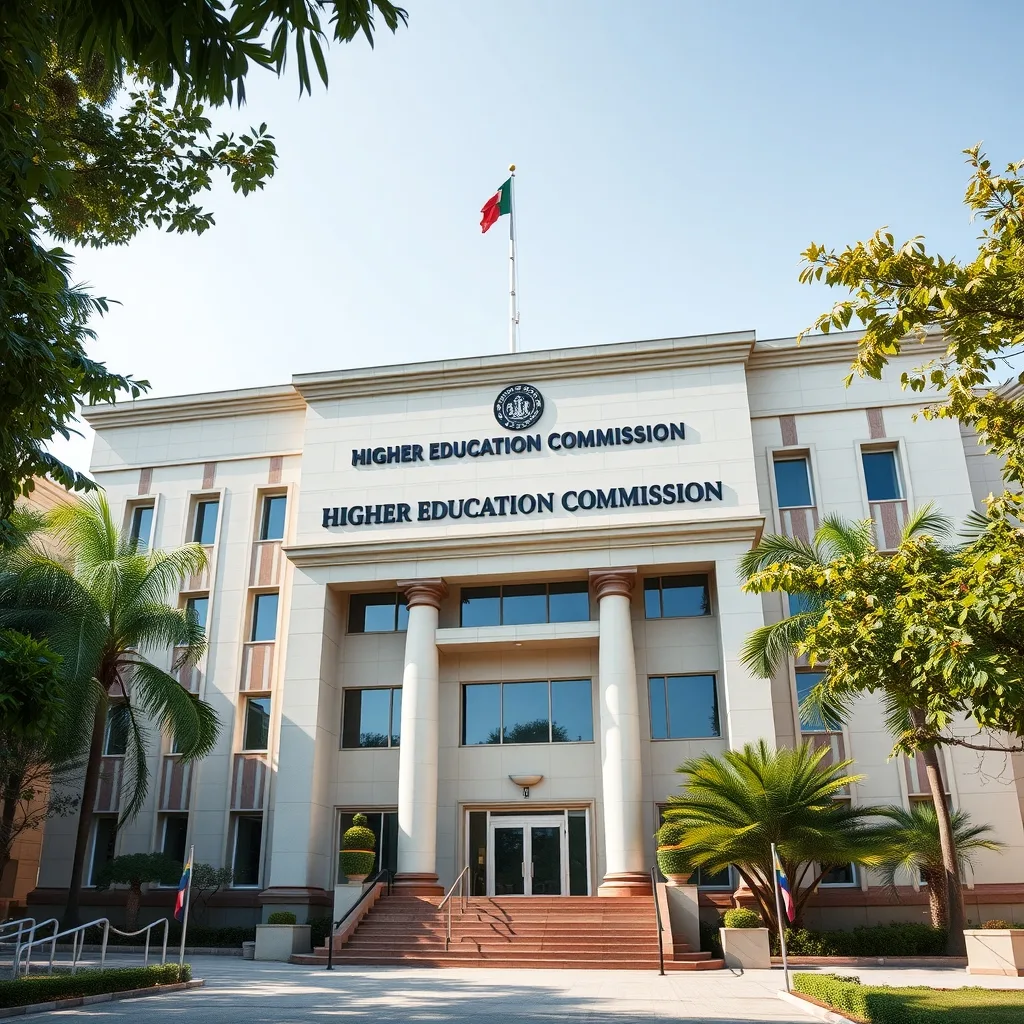
Quick facts
- HEC officially phased out two-year BA/BSc and MA/MSc programs after 2019.
- The final extended deadline for these programs was June 30, 2022.
- Degrees obtained from programs admitted after these deadlines are ineligible for HEC attestation.
- The decision to abolish two-year degrees was initiated in 2004 to align with international standards.
Why it matters
This article serves as a critical advisory for students to prevent them from investing time and money in defunct degree programs. It focuses on the HEC's official stance to ensure the information remains credible and actionable for the target audience.
The Higher Education Commission (HEC) has issued a formal public alert warning students, parents, and stakeholders against enrolling in two-year BA/BSc or MA/MSc programs. These degree programs were officially phased out by the commission following the academic year 2019.
Why Are These Degrees Not Recognized?
The HEC clarified that despite clear directives, some higher education institutions continued to admit students into these phased-out programs after the established deadlines. The commission has explicitly stated that any degrees obtained from these unauthorized admissions do not qualify for recognition or official attestation by the HEC.
The Policy Timeline
The transition away from two-year degree programs began in 2004 as part of an effort to improve the quality of higher education in Pakistan to match international standards. Universities were granted a transition period until 2016 to phase out these programs, with final extended deadlines set for the academic year 2019 and June 30, 2022.
What Students Should Do
Before securing admission or paying fees, students must verify the status of their chosen program directly through the official HEC website. Enrolling in a program that does not meet current HEC standards carries a significant risk, as the resulting degree will be invalid for employment or further studies.
Last checked: October 23, 2026. Please verify the latest status of any degree program directly on the official Higher Education Commission (HEC) website before applying.
Frequently asked questions
Are two-year BA/BSc degrees still valid in Pakistan?
No, the HEC phased out two-year BA/BSc and MA/MSc programs. Degrees obtained from programs admitted after the 2019 academic year and the June 30, 2022, deadline are not recognized or attestable by the HEC.
Why did HEC stop two-year degree programs?
The HEC initiated the phase-out of two-year degree programs in 2004 to enhance the quality of higher education and align Pakistani degree standards with international academic benchmarks.
Can I get my two-year degree attested by HEC?
Only degrees completed within the authorized transition periods are eligible. If you were admitted to a program after the HEC deadlines, the commission will not recognize or attest the degree.
What should I check before taking admission in a university?
Always check the official HEC website to ensure the degree program is currently recognized and active. Avoid any institution offering admissions into programs explicitly marked as phased-out by the commission.
Is the Associate Degree (ADP) in Pakistan valid?
The HEC recognizes specific, updated Associate Degree programs that meet current policy requirements. However, you must ensure the program is not one of the old, phased-out BA/BSc formats.
How do I verify if my university program is recognized?
You can verify the status of any degree program by visiting the official Higher Education Commission (HEC) website or contacting their regional offices for guidance on program accreditation.
In this story
Sources
Quick facts
- Topic
- Education News
- Section
- Education News
- Status
- Developing: details still being confirmed
- Last updated
- Oct 23, 2026 at 11:20 AM
Last checked Oct 23, 2026 at 11:20 AM. Trends move fast, so details may change. How we work · How we verify
Comments