Punjab MBBS & BDS Admission Policy 2026-27: New Fee & Merit Rules
The Punjab government has released the official MBBS and BDS admission policy for 2026-27, featuring a new annual tuition fee of Rs 50,000 for public medical colleges.
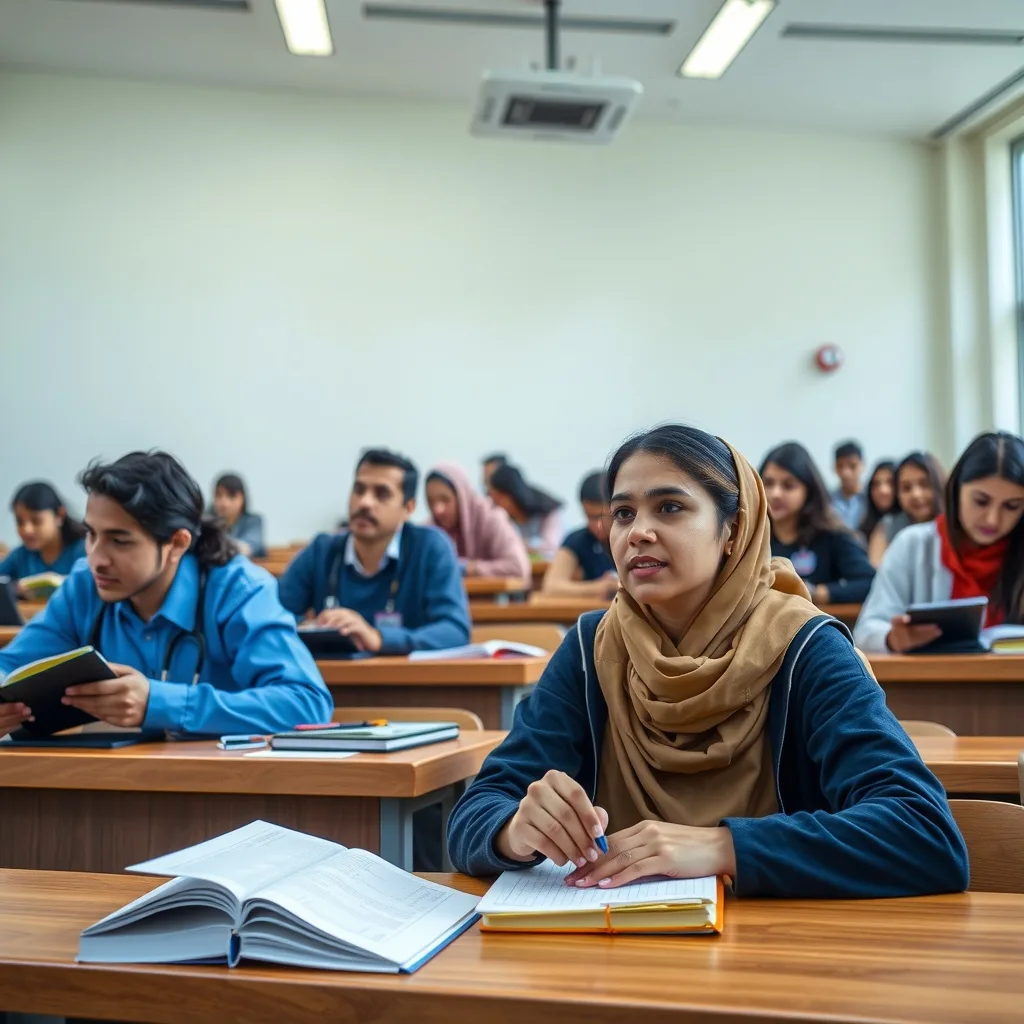
Quick facts
- Annual tuition for new public MBBS/BDS students increased to Rs 50,000.
- Merit formula: 50% MDCAT, 40% FSc, and 10% Matric.
- Eligibility requires Biology, Chemistry, and either Physics or Mathematics.
- UHS Lahore oversees central admissions for all public and private colleges.
Why it matters
This update reflects the most recent policy shift regarding medical education costs in Punjab. The 233% fee hike for new students is a major development that differentiates the financial burden between current and incoming batches. The merit formula remains consistent with previous standards, focusing heavily on MDCAT performance.
Overview of the 2026-27 Admission Policy
The Punjab government has officially notified the admission policy for MBBS and BDS programs for the 2026-27 academic session. The University of Health Sciences (UHS) Lahore is mandated to conduct centralized admissions for all public and private medical and dental colleges across the province.
New Annual Tuition Fee Structure
A significant change for the current session is the adjustment of annual tuition fees for public-sector medical and dental colleges. The fee has been increased from Rs 15,000 to Rs 50,000 for newly admitted students. This represents an increase of approximately 233.3%.
It is important to note that this revised fee structure applies strictly to students admitted in the 2026-27 session. Students who were enrolled in previous years will continue to pay the old rate of Rs 15,000 per year.
Admission Merit Formula
Admissions are determined based on a fixed merit formula to ensure transparency. The criteria for the 2026-27 session are as follows:
- MDCAT: 50% weightage
- FSc (Pre-Medical): 40% weightage
- Matric: 10% weightage
Eligibility Criteria
To be eligible for admission, candidates must have studied Biology and Chemistry at the intermediate level. Additionally, applicants must have passed either Physics or Mathematics. When applying to public medical colleges, candidates are required to list all institutions in their order of preference. There is no limit on the number of preferences for private medical colleges.
Last Checked
Last checked: October 19, 2026. Students are advised to verify all fee structures and application deadlines through the official UHS Lahore admission portal or government notifications.
Frequently asked questions
What is the new annual tuition fee for public medical colleges in Punjab?
The new annual tuition fee for newly admitted MBBS and BDS students in public-sector medical and dental colleges is Rs 50,000, up from the previous Rs 15,000.
Does the fee increase apply to students admitted in previous years?
No, the fee increase only applies to students admitted in the 2026-27 academic session. Students enrolled in earlier years will continue to pay the previous annual fee of Rs 15,000.
What is the merit formula for Punjab medical admissions 2026-27?
The merit is calculated using a formula consisting of 50% MDCAT score, 40% FSc (Pre-Medical) marks, and 10% Matriculation marks.
Which subjects are mandatory for MBBS and BDS eligibility?
Applicants must have studied Biology and Chemistry. Additionally, they must have passed either Physics or Mathematics at the intermediate level.
Who is conducting the admission process for medical colleges in Punjab?
The University of Health Sciences (UHS) Lahore is conducting the centralized admission process for all public and private medical and dental colleges in the province.
In this story
Sources
- Pakistan Observer: UHS hikes Annual Tuition to Rs 50,000 for New MBBS, BDS Students
- TechJuice: Punjab Hikes Public Medical College Fees by Over 233 Percent
- Minute Mirror: Punjab Notifies MBBS/BDS Admission Policy 2026-27, UHS to Conduct Central Admissions
- Dunya News: Punjab issues admission policy for medical, dental colleges
- Business Recorder: Govt medical, dental colleges in Punjab: Provisional merit list for admissions released
Quick facts
- Topic
- Admissions
- Section
- Admissions
- Status
- Verified: 5 independent outlets
- Last updated
- Oct 19, 2026 at 10:18 AM
Last checked Oct 19, 2026 at 10:18 AM. Trends move fast, so details may change. How we work · How we verify
Comments